
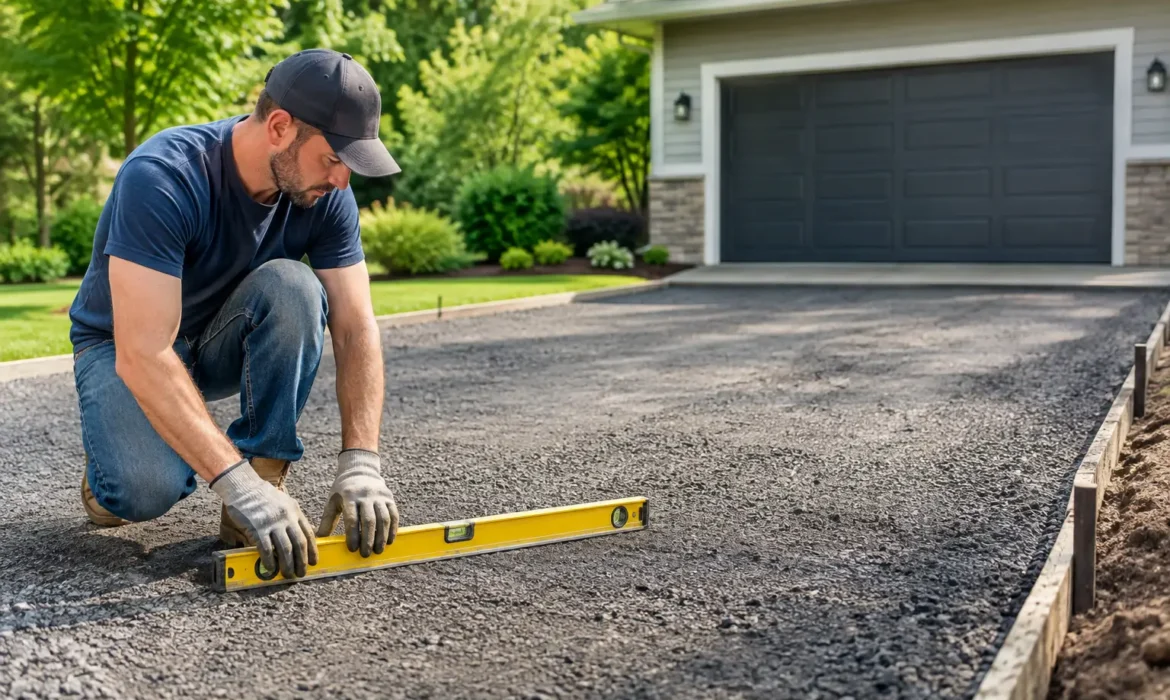
A new driveway can change the way a property looks and functions in a matter of days, but the finished surface is only as dependable as the work beneath it. When you prepare for driveway paving, the goal is not simply to clear a place for equipment. It is to give the paving crew a safe, accessible, well-planned site where the new surface can be built for proper drainage, daily vehicle use, and Maryland’s changing weather.
Good preparation also prevents avoidable delays. A few decisions made before work begins can protect landscaping, improve access for the crew, and help ensure the driveway blends naturally with your garage, walkways, and surrounding property.
Prepare for Driveway Paving Before the Crew Arrives
Start by reviewing the driveway area from the street to the garage or parking area. Take note of where vehicles enter and exit, where water collects after rain, and any tight turns that may affect access. Your contractor will evaluate the site conditions, but sharing what you have noticed over time gives the project a stronger starting point.
Before paving day, move vehicles, trailers, recreational equipment, basketball hoops, and portable items out of the driveway and away from the work area. Plan to park on the street or in another approved location while the project is underway. A driveway may be inaccessible during removal, grading, installation, and the initial curing period, so it helps to make arrangements well before the crew arrives.
Access matters beyond your own vehicles. Paving equipment needs a clear route to enter, maneuver, and place materials efficiently. Let the contractor know about narrow gates, low-hanging branches, steep approaches, shared driveways, or delivery restrictions that could affect the work plan. Clear communication early in the process supports a smoother schedule and a more controlled installation.
Protect Items Near the Work Area
Driveway paving is heavy-duty work. Equipment, trucks, base material, and asphalt can affect areas immediately beside the driveway, especially where space is limited. Move planters, lawn decorations, trash containers, and removable outdoor furniture well away from the work zone.
Trim shrubs or tree branches that hang into the driveway approach if they may interfere with equipment. If you have delicate plantings, landscape lighting, irrigation components, or decorative edging near the pavement, point them out during the site review. Some features can be protected, adjusted, or temporarily removed. Others may require a practical conversation about clearance and the best finished edge.
It is also wise to identify sprinkler heads, drainage inlets, cleanouts, and other surface features before excavation begins. These details can be easy to overlook beneath grass, mulch, or leaves, yet they can influence how the crew prepares the area and finishes the driveway edges.
Think About Drainage Before the New Surface Goes Down
Water is one of the most important factors in driveway performance. A driveway should guide water away from the garage, foundation, and other vulnerable areas rather than allowing it to sit on the surface or run toward the home. Standing water can weaken the base over time, contribute to surface wear, and create icy conditions in colder weather.
Walk the area after a heavy rain if possible. Look for puddles, runoff that crosses the driveway, soft edges, and water that drains toward a structure. Mention these conditions during your consultation. In some cases, a driveway needs changes to its slope, edge support, or surrounding landscape to manage water effectively.
Drainage is not always solved by making a driveway steeper. Too much slope can affect vehicle access, comfort, and control. The right approach depends on the property’s existing grade, nearby surfaces, and where water naturally travels. A professional site assessment helps balance drainage needs with a driveway that feels practical to use every day.
Consider Connected Surfaces
Your driveway does not exist on its own. It meets the street, garage floor, walkways, patios, retaining walls, and often landscaped beds. Each connection affects the finished appearance and performance of the project.
For example, a new driveway may reveal that an adjacent walkway sits too low, that a crumbling curb edge needs attention, or that a garage threshold needs a clean transition. Addressing related surface issues at the planning stage can produce a more polished result than treating each feature separately later. This is especially useful for homeowners improving curb appeal and property managers coordinating larger exterior upgrades.
Make a Plan for Daily Access and Scheduling
Paving work can be efficient, but it is still a construction project with moving equipment, material deliveries, and weather-sensitive tasks. Ask your contractor what areas will be inaccessible, how long vehicles should stay off the new surface, and whether the driveway work will occur in phases.
If your household has multiple drivers, deliveries, home services, or regular visitors, let them know the driveway will be unavailable. Commercial property owners and facility managers should consider customer parking, delivery routes, employee access, and emergency entry before the project begins. Temporary traffic flow is often easier to manage when everyone receives clear notice in advance.
Maryland weather can also influence scheduling. Rain, saturated ground, and extreme temperatures may require adjustments to protect quality. That is not a sign of poor planning. It is a practical part of installing a surface designed to last. A dependable contractor monitors conditions and communicates promptly when the schedule needs to shift.
Decide What Should Be Repaired or Removed
Not every existing driveway needs the same level of preparation. A surface with minor wear may need a different approach than one with widespread cracking, deep depressions, edge failure, or an unstable base. The visible condition of the asphalt matters, but what lies beneath it matters even more.
During the assessment, be prepared to discuss the driveway’s history. Has it been patched repeatedly? Do heavy trucks use it? Does the surface dip in one location every year? Did the damage appear after drainage problems or tree-root growth? These details help determine whether the project should focus on surface replacement, base repair, expansion, or a complete rebuild.
Do not assume that paving over an uneven surface will correct every issue. Fresh asphalt follows the condition of the supporting base. When the base is weak or water has caused damage below the surface, proper removal, grading, and compaction are often the foundation of a longer-lasting result.
Give the Crew a Safe, Clear Work Zone
Children, pets, visitors, and vehicles should stay away from the work area while equipment is operating. The site may include hot materials, uneven ground, active machinery, and changing access routes. Make a plan for pets before the crew arrives, particularly if they normally use the driveway or front yard for outdoor time.
Keep gates secured and communicate with neighbors if the driveway shares an entrance or if trucks may need room to maneuver near a property line. If a neighbor’s parked vehicle could limit access, a courteous conversation beforehand can prevent unnecessary disruption on installation day.
For commercial sites, designate a point of contact who can answer questions about access, tenant activity, deliveries, or unexpected site conditions. A single informed contact helps decisions move quickly and keeps the project on track.
Know What Happens After Installation
Preparation continues after the new driveway is installed. Your contractor will provide guidance on when it is safe to walk, drive, and place heavier vehicles on the surface. Following that timeline matters. Even when a driveway looks finished, it benefits from time to settle and strengthen under normal conditions.
Avoid sharp turns from parked wheels, heavy loads concentrated in one area, and placing dumpsters or equipment on the new surface too soon. Take care around the edges, which can be more vulnerable until surrounding soil and landscaping are restored. If the driveway meets gravel, grass, or a soft shoulder, avoid driving off the pavement edge.
Once the project is complete, keep water moving away from the driveway and remove debris that can hold moisture against the surface. Periodic maintenance, including timely crack attention and sealcoating when appropriate, helps preserve both appearance and performance.
A well-prepared site gives a paving project the best chance to deliver what property owners want most: a clean, durable driveway that handles everyday use with confidence. Take time to clear the area, share site concerns, and plan around access. Those simple steps help turn a new driveway into an improvement that continues to serve your property season after season.