
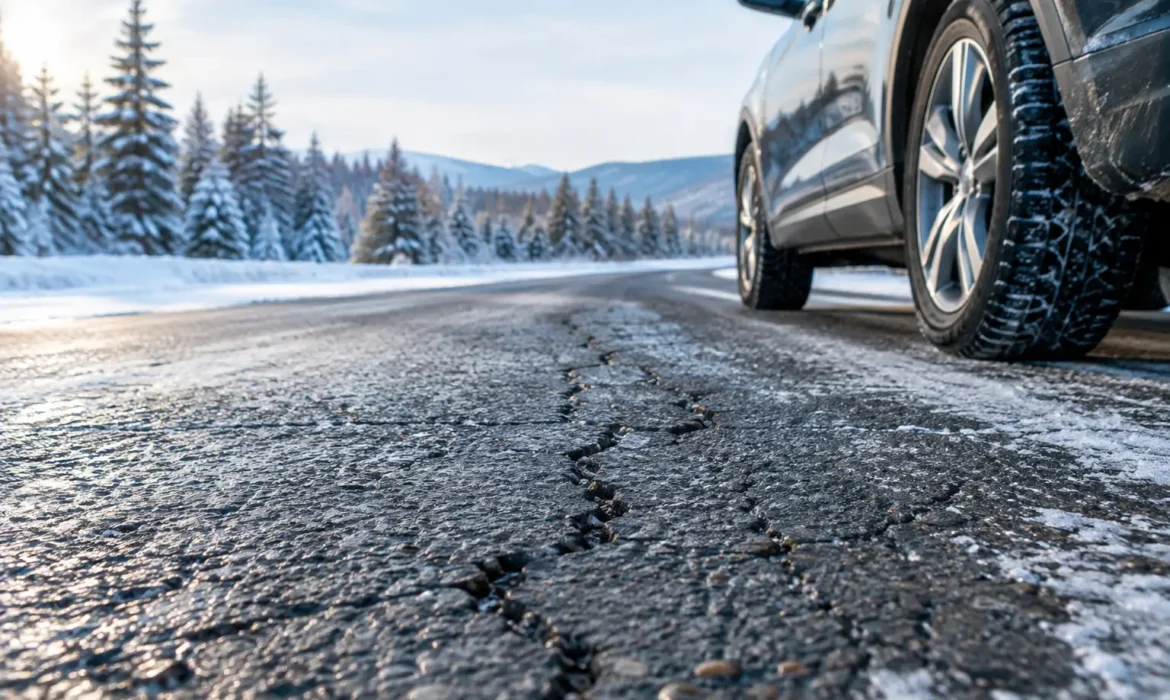
A Maryland driveway can look solid in December and develop a noticeable crack by March. So, does cold weather damage asphalt? Yes, but freezing air is only part of the story. The real damage happens when water enters small openings in the pavement, freezes and expands, then combines with traffic, poor drainage, and repeated temperature swings.
For homeowners, that may mean a driveway that loses curb appeal or begins collecting water near the garage. For commercial properties, winter asphalt damage can lead to rougher parking areas, potholes, standing water, and safety concerns for customers and employees. Knowing what cold weather does to asphalt helps property owners address small issues before they become larger repairs.
How Cold Weather Damages Asphalt
Asphalt pavement is made to flex slightly under vehicle weight and changing conditions. In warmer weather, the asphalt binder that holds the aggregate together becomes more flexible. When temperatures drop, that binder becomes stiffer and less able to move with the surface.
Cold temperatures alone do not usually create a pothole overnight. The trouble begins when the pavement already has small cracks, worn areas, weak edges, or drainage problems. Rain, melting snow, and ice enter those openings. Once the trapped water freezes, it expands and pushes against the surrounding asphalt. When it thaws, the opening remains and often grows.
This freeze-thaw cycle can repeat many times through a Maryland winter. Each cycle places more stress on the pavement, especially in locations exposed to vehicle weight. A small crack can widen, the pavement can begin to break apart, and a shallow low spot can eventually become a pothole.
Why Water Is the Main Concern
Water is asphalt’s most persistent enemy. A properly built asphalt surface is designed to direct water away from the pavement and prevent it from reaching the supporting base below. When drainage is poor, water can sit on the surface or work through cracks into the base material.
If the base becomes saturated, it loses some of its ability to support traffic. Vehicles then flex the asphalt more than it was designed to handle. This often causes alligator cracking, which appears as a connected pattern of small cracks, as well as depressions and potholes.
The edge of a driveway or parking lot is particularly vulnerable. Edges have less support than the center of the pavement, and water can reach the sides more easily. Driving too close to unsupported edges can cause them to crack, crumble, or break away during winter and early spring.
Signs Cold Weather Is Affecting Your Asphalt
Winter damage is not always obvious from a distance. A quick walk around the pavement after rain, snowmelt, or a freeze can reveal early warning signs. Hairline cracks, for example, may seem minor, but they give water a direct path into the asphalt structure.
Look for cracks that are widening, low areas where water lingers, loose aggregate, crumbling edges, or a surface that appears faded and dry. Potholes are a later-stage warning sign that the asphalt and possibly the base beneath it have already weakened.
Commercial property owners should also watch high-traffic areas closely. Parking spaces near entrances, travel lanes, loading areas, and turning points receive more pressure from vehicles. When winter moisture reaches a weak spot in these areas, deterioration can accelerate quickly.
Not every crack has the same cause. A straight crack may result from normal movement or aging, while widespread interconnected cracking often points to base failure or heavy traffic stress. An experienced paving contractor can determine whether the pavement needs crack repair, surface restoration, localized removal and replacement, or a more extensive solution.
New Asphalt Needs Protection From Its First Winter
A newer driveway or parking lot may look finished, but asphalt continues to cure and settle after installation. It needs time to gain strength, particularly during its first year. Cold conditions can make that process more challenging, especially if the surface is exposed to standing water, heavy loads, or sharp turns from vehicles.
Property owners can help protect new asphalt by keeping heavy equipment and oversized vehicles off the surface when possible. Avoid parking in the exact same place every day, especially along driveway edges. Turn slowly rather than pivoting tires in place, since sharp tire movement can scuff or stress a newer surface.
Drainage matters from day one. Gutters, downspouts, and landscape grading should move water away from the pavement instead of directing it onto the driveway or parking area. Even quality asphalt will have a shorter service life if it is regularly exposed to pooled water.
Practical Winter Care for Driveways and Parking Lots
Winter maintenance is less about dramatic repairs and more about preventing water from taking advantage of small weaknesses. Start by keeping the asphalt clear of leaves, dirt, and debris that can block drainage paths. If water consistently pools in one spot, take notice. That issue will not improve on its own when freezing temperatures arrive.
Snow removal should be handled carefully. Metal shovel edges and improperly adjusted plow blades can scrape the pavement, catch on raised cracks, and damage fragile edges. A contractor who removes snow from commercial sites should understand where drainage structures, speed bumps, curbs, and pavement transitions are located before plowing begins.
Deicing materials require a balanced approach. They can help manage slippery conditions, but excessive use of harsh materials may affect nearby concrete, landscaping, and surrounding surfaces. Prompt snow removal, thoughtful application of traction materials, and good drainage are usually more effective than relying on deicers alone.
Crack sealing is one of the most valuable preventive services for aging asphalt. Sealing cracks before winter limits the amount of water that reaches the base. It is not a cure for structural failure, but it can significantly slow surface deterioration when the pavement is otherwise stable.
Sealcoating can also help protect an asphalt surface from moisture, oxidation, and everyday wear. It works best as part of a maintenance plan, not as a cover-up for serious cracking or potholes. If asphalt is already breaking apart, the damaged sections should be properly repaired before a protective coating is applied.
For properties with recurring drainage problems, surface maintenance alone may not be enough. The pavement slope, base condition, or water flow from the surrounding property may need to be evaluated. Addressing the source of moisture protects both the asphalt and the investment beneath it.
When to Repair Winter Asphalt Damage
Some work is best scheduled before winter, while other repairs need to wait for suitable temperatures and dry conditions. Crack sealing, patching, and surface repairs are generally more durable when materials can be installed under appropriate weather conditions. However, that does not mean a pothole or hazardous broken area should be ignored until spring.
Temporary repairs may be appropriate when a damaged area creates an immediate concern for vehicles or pedestrians. Once weather conditions improve, a contractor can assess whether the repair should be made permanent and whether water has affected the supporting base.
Spring is an excellent time to inspect asphalt because winter has exposed weak points. Look over your driveway or parking lot after the final thaw, especially after heavy rain. Early action on cracks, drainage issues, and small potholes is usually far more manageable than waiting for damage to spread through an entire section of pavement.
Protecting Asphalt Through Maryland Winters
Cold weather can shorten the life of neglected asphalt, but it does not have to dictate the condition of your property. Quality installation, a stable base, proper drainage, timely crack repair, and routine maintenance all work together to keep driveways and parking areas durable through changing seasons.
If your asphalt is showing new cracks, pooling water, or surface breakdown after winter weather, a professional evaluation can clarify the right next step. A well-timed repair protects the appearance, function, and long-term reliability of the surface before the next freeze-thaw cycle has a chance to make the problem larger.