
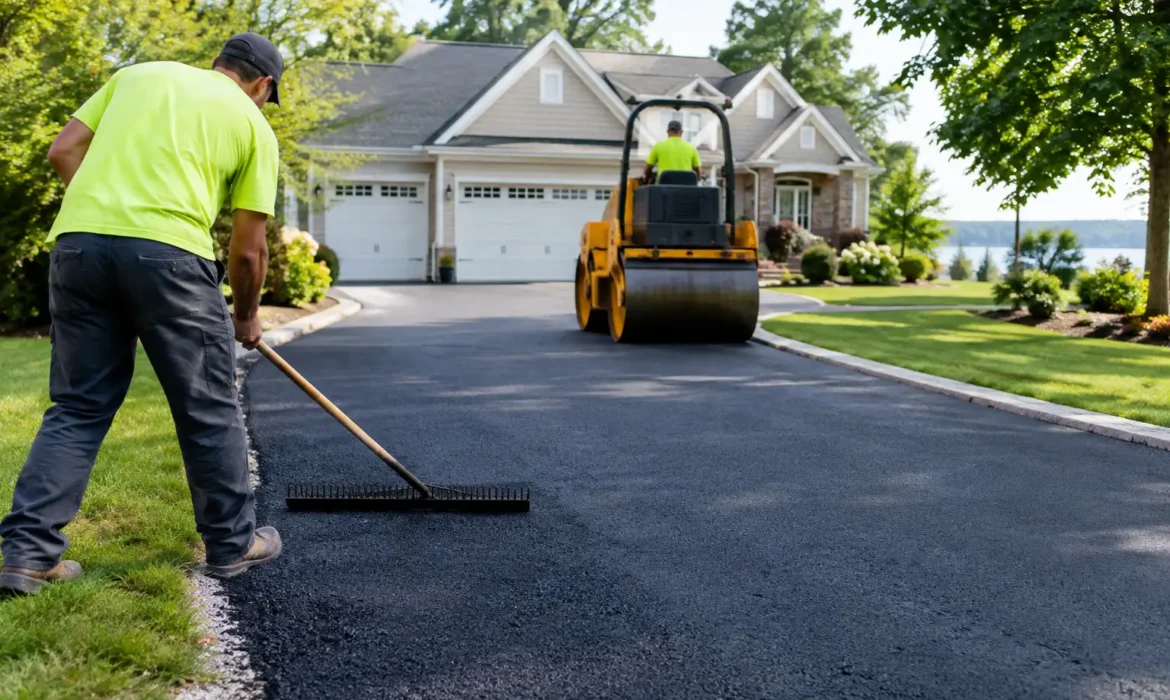
A driveway can look finished on installation day and still fail years too soon if the ground beneath it was not prepared for water, weight, and changing temperatures. This Maryland driveway paving guide explains the decisions that make the difference between a surface that simply looks new and one that delivers dependable performance, safe access, and lasting curb appeal.
For homeowners, a driveway is the first working surface guests see and vehicles use every day. For multi-unit properties, offices, and small commercial sites, it also affects traffic flow, first impressions, and maintenance planning. The best paving approach starts with the property itself, not a one-size-fits-all material choice.
Start With Site Conditions, Not Surface Color
Before choosing asphalt or concrete, consider how the driveway is used and what is happening below it. A family with two passenger vehicles has different needs than a property where delivery trucks, work vans, trailers, or frequent visitors use the entrance. Heavier loads demand a stronger base and thoughtful thickness planning.
Drainage deserves the same attention. Water that sits near the driveway edge, flows toward a garage, or works beneath the surface can weaken the foundation over time. Maryland’s rain, winter freeze-thaw cycles, humid summers, and seasonal temperature swings make water management a central part of a successful paving project.
An experienced contractor evaluates slope, existing cracks, soft areas, tree roots, low spots, and how water moves across the property. Sometimes a full replacement is the right answer. In other cases, targeted base repair, grading adjustments, or resurfacing may provide the practical result the property needs. The right recommendation depends on the condition of the existing driveway, not just its appearance.
Maryland Driveway Paving Guide: Choosing Your Surface
Asphalt and concrete can both create attractive, durable driveways when they are installed over a properly prepared foundation. The better option comes down to traffic, maintenance expectations, visual goals, and the condition of the site.
Asphalt for flexible, efficient performance
Asphalt is a popular choice for Maryland driveways because it provides a clean, dark finish and handles normal temperature movement well. It is especially practical for larger driveways and properties that need a smooth, functional vehicle surface without an overly formal appearance.
Its performance depends heavily on excavation, grading, base compaction, and edge support. A fresh asphalt surface should also be given the proper time to cure before it receives its full routine use. Ongoing sealcoating at appropriate intervals helps protect the surface from sun exposure, moisture, and everyday wear.
Asphalt is not maintenance-free. Small cracks should be addressed before water enters them, and vehicle leaks should be cleaned promptly where possible. With consistent care, these smaller tasks can help extend the useful life of the driveway and preserve its finished appearance.
Concrete for a defined, long-term look
Concrete offers a bright, structured appearance that works well with traditional homes, modern exteriors, walkways, patios, and decorative landscape features. It can be finished in a range of textures and styles, making it a strong choice when visual continuity is a major priority.
Like asphalt, concrete needs a stable base and proper drainage. It also needs correctly planned joints that guide natural movement and help manage cracking. Concrete can be an excellent fit for a driveway with turning vehicles or a homeowner looking for a more architectural surface, but it is not automatically the best choice for every site.
The key trade-off is straightforward: material selection should support how the driveway will be used. A beautiful finish cannot make up for weak soil preparation, poor water flow, or inadequate structural support.
The Foundation Is Where Driveway Life Is Won
The visible surface gets the attention, but the base carries the work. A driveway built over unstable soil, loose aggregate, or uncorrected soft spots may develop depressions, cracking, or edge failure even when the top layer initially looks smooth.
A dependable installation generally begins by removing failed material and excavating to the depth the site requires. The contractor then shapes the subgrade, addresses weak areas, places a suitable aggregate base, and compacts each layer carefully. Compaction is not a cosmetic step. It creates the stable platform that helps the driveway support vehicles and resist movement.
Proper grading follows. The driveway should guide water away from structures and avoid creating standing-water areas near the edges. If a driveway meets a garage, walkway, retaining wall, or landscaped area, those transitions should be planned as part of the project rather than treated as an afterthought.
Edge protection matters as well. Driveway edges are more vulnerable because they do not receive the same support as the center of the surface. Clean transitions, appropriate base width, and careful finishing help reduce crumbling and keep the driveway looking defined.
Plan for How You Actually Use the Driveway
A driveway should make everyday routines easier. Consider where vehicles park, back up, turn around, and enter the road. A narrow entrance or tight turning area may work for one vehicle but become frustrating when guests arrive or larger vehicles visit.
Think beyond cars, too. Trash collection, moving trucks, landscaping equipment, and home improvement deliveries can place concentrated weight on areas that are not used as often. If these situations are common, tell the contractor during the consultation. Planning for them early is easier than correcting damage later.
For commercial and managed properties, evaluate traffic patterns at entrances, loading areas, parking spaces, and pedestrian crossings. The surface should support safe movement while maintaining a professional appearance. Clear project planning also helps minimize disruption to residents, customers, tenants, and staff during installation.
Avoid Repairs That Only Hide the Problem
Cracks, potholes, and low spots do not always mean the whole driveway has failed. However, surface repairs are only worthwhile when the underlying structure remains sound. Filling a crack may improve appearance temporarily, but it will not solve water infiltration, a sinking base, or drainage problems beneath the pavement.
Resurfacing can be a good option when the existing driveway has stable support and the damage is largely limited to the upper layer. It provides a renewed surface and can improve curb appeal without complete reconstruction. If there are widespread alligator cracks, deep depressions, persistent puddles, or crumbling edges, replacement may offer a more dependable long-term solution.
A professional site evaluation helps separate cosmetic wear from structural failure. That distinction protects property owners from investing in a short-term fix when the driveway needs more substantial work.
Protect a New Driveway From Day One
Once paving is complete, simple habits help preserve the investment. Avoid placing extremely heavy loads in one spot, especially near edges. Keep drainage paths clear of leaves and debris so water can move as intended. Address small cracks before they become open channels for moisture.
For asphalt, sealcoating should be part of a planned maintenance routine rather than a rushed response after the surface has worn significantly. For concrete, routine cleaning and attention to joint condition can help maintain a neat, serviceable surface. In either case, limit harsh deicing practices that can contribute to surface wear during winter conditions.
A driveway is more than a strip of pavement leading to a building. It is a working part of the property that influences appearance, access, and long-term maintenance. When the base, drainage, material, and installation plan are matched to the site, the result is a surface built to serve the property well through Maryland’s changing seasons. A detailed on-site consultation is the best next step for turning those conditions into a driveway plan that fits your property.