
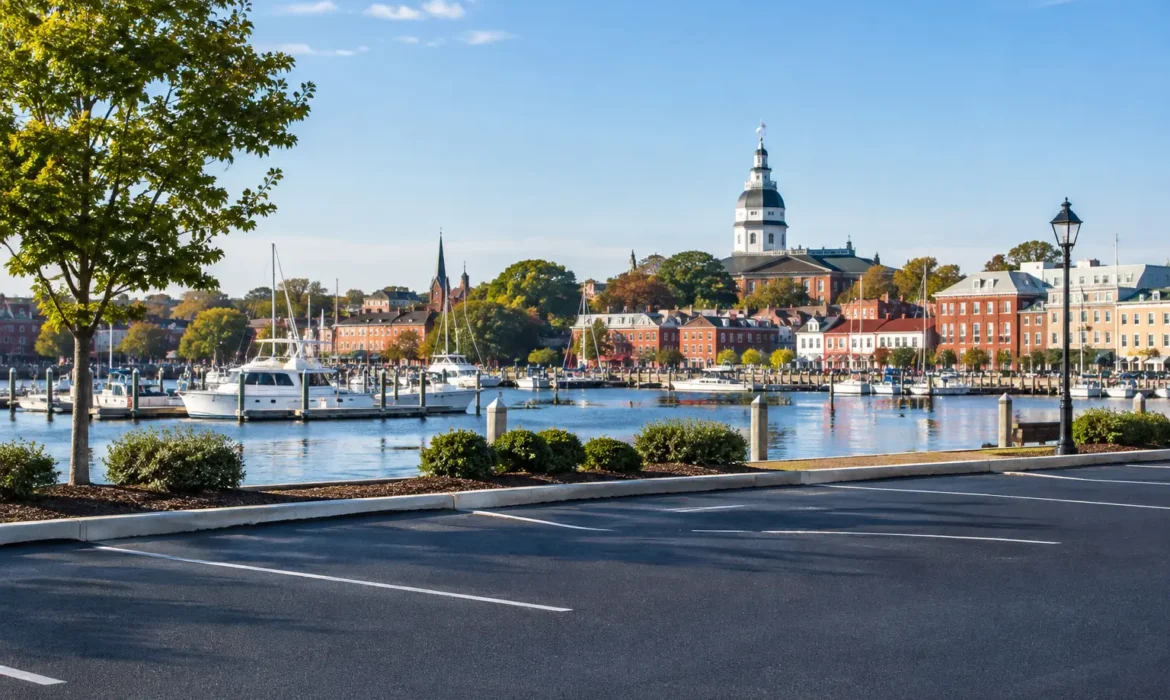
A cracked entrance lane, standing water near parking spaces, or faded traffic markings can change how customers and tenants experience a property before they ever reach the door. This Annapolis commercial pavement guide helps property owners and managers make sound decisions about paving, repairs, drainage, accessibility, and ongoing surface care in Maryland’s changing weather.
Commercial pavement is more than a place for vehicles to park. It directs traffic, supports daily operations, protects pedestrians, and contributes to the professional appearance of a retail center, office building, apartment community, warehouse, medical facility, or private business. The best results begin with a clear view of how the property is used, not simply where the visible cracks are located.
Start With How Your Property Uses Pavement
A parking lot that serves a small office has different demands than a delivery-heavy facility or a busy retail site. Vehicle weight, turning movements, parking duration, peak traffic periods, and access points all affect the surface design. A pavement area may look similar at first glance, but the structural needs underneath can be very different.
Begin by observing where vehicles slow, turn, idle, and load. Dumpster pads, loading areas, fire lanes, entrances, drive-thru lanes, and service routes often receive more concentrated stress than standard parking stalls. These areas may need a stronger base or a pavement section designed for heavier traffic. Treating every part of the lot the same can lead to premature wear in the places that matter most.
Pedestrian movement deserves the same attention. Walkways, building entrances, curb transitions, ramps, and crosswalk areas should create a clear, comfortable path from parking to the property. Well-planned concrete features can improve long-term durability in high-foot-traffic areas while giving the site a clean, finished appearance.
Assess the Surface Before Choosing a Solution
Not every damaged pavement surface needs full replacement. The right approach depends on what is happening below the surface as well as what is visible from above. A professional assessment distinguishes between isolated defects and widespread structural failure.
Small, early cracks may be candidates for crack filling and protective maintenance. If the pavement is generally sound but has lost its rich finish, sealcoating can renew its appearance and help shield the asphalt from moisture, sunlight, and vehicle fluids. This is a practical maintenance measure, not a fix for failing pavement underneath.
Potholes, soft spots, alligator cracking, and sections that repeatedly hold water point to more serious concerns. Alligator cracking, which resembles a web of interconnected cracks, often signals that the base has weakened under traffic and moisture. Patching can be effective when damage is contained to a specific area. When the same issues appear across much of the lot, a more comprehensive paving plan may provide a better long-term result.
Repair, overlay, or replacement?
A repair works best when the surrounding pavement remains stable. It addresses a defined problem area and can extend service life when completed before water reaches the base.
An overlay adds a new asphalt layer over an existing surface that is still structurally dependable. It can improve appearance and ride quality, but it is not the right answer for pavement with unresolved drainage problems, widespread base failure, or significant movement. Those conditions can reappear through the new surface.
Full replacement involves removing failing pavement, addressing the base, and installing a new surface. It is the most involved option, but it gives property owners the opportunity to correct long-standing drainage, traffic-flow, and layout issues at the same time. The right choice depends on the pavement’s condition, expected traffic, and plans for the property over the coming years.
Drainage Is a Pavement Priority
Water is one of the most persistent threats to asphalt and concrete surfaces. When it sits on pavement or seeps through cracks, it can weaken the base material below. During Maryland’s freeze-thaw cycles, that trapped moisture can expand, shift the surface, and accelerate cracking.
A well-performing commercial lot moves water away from travel lanes, parking spaces, entrances, and building foundations. Proper grading is built into the paving work from the beginning. The goal is not merely to eliminate obvious puddles on the day of installation, but to create consistent drainage that continues to perform through heavy rain, winter weather, and routine traffic.
Watch for water that collects at the edge of a lot, near catch areas, along curbs, or beside a building. Also pay attention to areas where the asphalt appears lower than surrounding pavement. These signs should be evaluated before resurfacing. Covering the surface without correcting the slope may leave the underlying cause untouched.
Plan Traffic Flow Before Work Begins
Pavement projects are an opportunity to improve how people move through the property. That may mean widening a tight entrance, separating delivery traffic from customer parking, improving circulation around a building, or clarifying where vehicles should stop and turn.
For occupied commercial properties, scheduling is part of the project plan. Work may need to be completed in phases so customers, employees, tenants, deliveries, and emergency access can continue with as little disruption as possible. A dependable contractor will discuss active work areas, access routes, staging needs, and sequencing before equipment arrives.
Clear pavement markings and defined parking areas help reduce confusion after the surface work is complete. Markings should be planned around real traffic patterns rather than copied from an outdated layout. If the business has changed, the pavement layout may need to change with it.
Choose Materials for Durability and Appearance
Asphalt is a strong choice for many commercial parking areas because it provides a smooth driving surface, can be repaired efficiently, and performs well when supported by proper base preparation and drainage. The depth and structure of the pavement should reflect the vehicles it will carry. A lot serving passenger cars does not have the same needs as an area used regularly by delivery trucks or service vehicles.
Concrete is often a valuable option for sidewalks, ramps, curbs, dumpster pads, loading areas, and other locations exposed to concentrated weight or repeated turning. It can also provide a more defined visual transition at entrances and pedestrian zones. The best material is not always one or the other. Many commercial properties benefit from a thoughtful combination of asphalt and concrete, each used where it performs best.
Appearance matters, but it should follow sound construction. A fresh, dark asphalt surface and crisp concrete edges can strengthen curb appeal. Those visual improvements last longer when the surface has a stable foundation, clean drainage paths, and realistic maintenance planning behind it.
Protect the Investment With Routine Maintenance
Commercial pavement does not need attention every day, but it should not be ignored until a pothole appears. Regular walkthroughs help identify cracks, edge deterioration, drainage concerns, and worn markings early. The sooner a small defect is addressed, the less likely it is to grow into a larger repair.
A useful maintenance plan usually includes keeping drains and edges clear, repairing cracks before water enters the pavement structure, patching localized failures, and applying sealcoating when the asphalt condition calls for it. Sealcoating schedules vary because traffic volume, sun exposure, pavement age, and prior maintenance all affect wear. A heavily used entrance may need attention sooner than a lightly traveled rear parking area.
Avoid assuming that a newly paved lot is maintenance-free. New pavement requires time to settle into normal use, and early care helps preserve its appearance and performance. Keep heavy loads where the pavement was designed to carry them, address fluid leaks promptly, and monitor areas where vehicles make repeated tight turns.
Questions to Ask Before Hiring a Commercial Paving Contractor
The quality of a commercial pavement project depends on planning and execution below the finished surface. Ask how the contractor will evaluate the existing base, manage drainage, prepare the work area, and phase the project around your business operations. You should also understand what areas are being repaired, replaced, or resurfaced and why each approach is recommended.
Clear communication matters just as much as equipment and materials. A contractor should explain the scope in plain language, set expectations for the work schedule, and keep you informed as the project progresses. For Annapolis-area property owners, local experience also helps when planning surfaces that must handle humid summers, heavy rain, and winter temperature shifts.
A well-built pavement surface should make your property easier to use, safer to navigate, and more inviting from the curb. When you address small concerns early and plan larger work around how the site truly operates, your pavement becomes a dependable part of the property rather than a recurring interruption.