
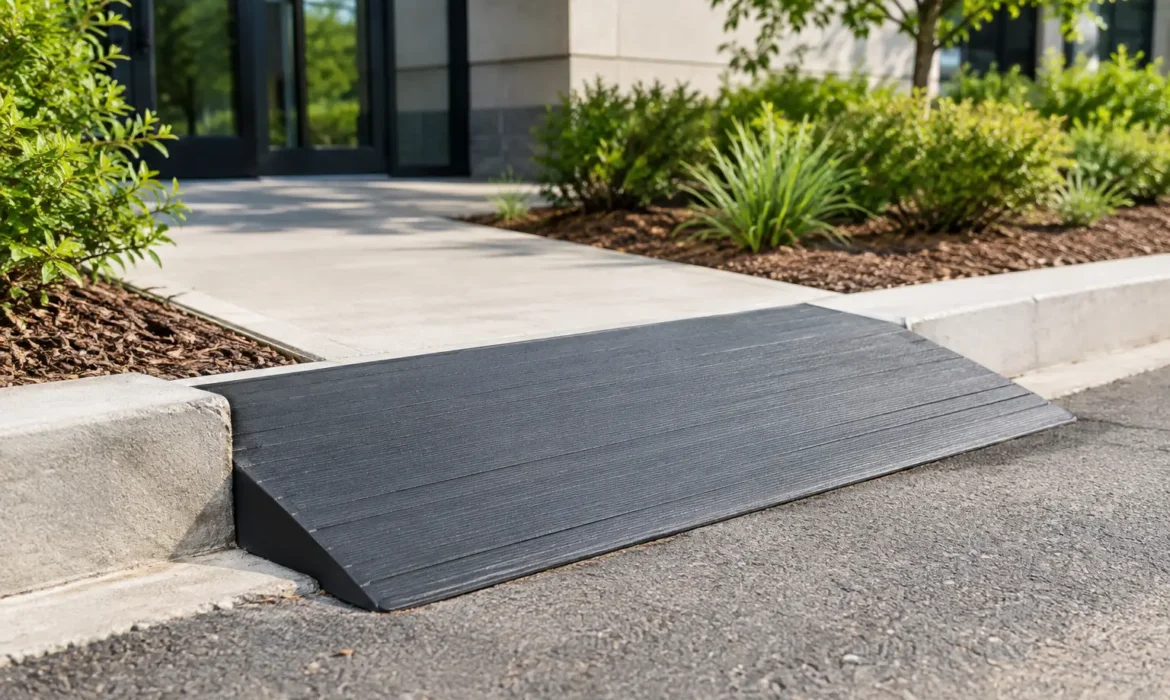
A curb ramp that traps water, breaks at the street edge, or creates an abrupt change in grade can affect far more than appearance. Professional curb ramp installation creates a gradual, durable transition between a sidewalk, parking area, driveway, or roadway while protecting the surrounding concrete and keeping daily traffic moving comfortably. For Maryland property owners, the details beneath and around the concrete matter just as much as the finished surface.
A well-built ramp should look like it belongs on the property. It should guide pedestrians naturally, direct water away from vulnerable areas, and hold its shape through changing temperatures, vehicle activity, and repeated use. That outcome starts with careful site evaluation rather than a quick concrete patch.
When a Curb Ramp Is the Right Improvement
Curb ramps are commonly added where a walkway meets a parking lot, where a sidewalk transitions to a street crossing, or where an existing curb interrupts practical access. On commercial properties, they can make entrances, parking areas, and pedestrian routes easier to use. For multi-unit properties, offices, retail locations, and community spaces, they also help create a more welcoming approach from the parking area to the building.
Residential needs can be different. A homeowner may need a smoother connection from a driveway to a front walk, a patio area, or a side entrance. In other cases, an aging or damaged concrete transition has become uneven and needs replacement before cracks spread into adjacent surfaces.
The right solution depends on the setting. A ramp beside a busy parking aisle needs a different approach than one serving a quiet residential walkway. Drainage patterns, nearby curbs, existing pavement, expected foot traffic, and the condition of the base all affect the design and installation method.
What Quality Curb Ramp Installation Requires
A reliable ramp is not simply poured over an existing problem. It is built as part of the surrounding surface system, with attention paid to grade, water movement, support, and the connection points that receive the most stress.
Start With the Existing Grade and Drainage
Before demolition or excavation begins, the contractor should study the elevation of the sidewalk, curb, pavement, and nearby drainage path. The goal is a comfortable transition that does not send water toward a building entrance, leave a low spot at the curb line, or create standing water after a storm.
This is especially important in Maryland, where rain, winter moisture, and freeze-thaw cycles can expose small grading mistakes quickly. Water that collects along a ramp edge can weaken the base, stain concrete, and contribute to premature cracking. A properly planned ramp works with the slope of the site rather than fighting it.
Drainage may also determine whether nearby asphalt or concrete needs adjustment. Sometimes the best result requires repairing a small section of surrounding pavement so the ramp, curb, and walking surface meet cleanly. Skipping that work may save time at the start, but it often leaves weak edges and poor water flow.
Remove Unstable Material and Build the Base
Long-term performance begins below the concrete. Damaged curb sections, broken pavement, loose soil, and failed concrete should be removed so the new work is not resting on an unstable layer. The excavation needs to allow room for a properly prepared aggregate base and the planned concrete thickness.
The base is then graded and compacted to provide even support. This step helps limit settling, rocking, and cracking after the ramp is put into service. On sites with soft ground, drainage concerns, or a history of surface movement, base preparation deserves even more attention.
A professional crew also protects the edges of adjacent pavement during removal and excavation. Clean transitions matter because jagged asphalt edges and unsupported concrete corners are common places for future failure to begin.
Form, Place, and Finish for Daily Use
Once the base is ready, forms establish the ramp’s shape, elevation, and transitions. The concrete is placed, consolidated, and finished to create a consistent surface without abrupt lips or uneven areas. The finished texture should provide dependable footing while remaining comfortable for pedestrians, mobility devices, carts, and strollers.
Control joints are placed strategically to help manage natural concrete movement. These joints do not prevent every crack, but they encourage movement to occur in planned locations instead of randomly across the finished ramp. Proper curing is equally important. Concrete needs time and protection to develop the strength required for regular use.
The edges deserve close attention as well. A crisp, well-supported edge improves appearance, but it also resists chipping when lawn equipment, tires, carts, and weather reach the surface. The best curb ramps feel simple to use because every transition has been handled carefully.
Choosing Concrete, Asphalt, or a Combined Approach
Concrete is often the preferred material for curb ramps because it can be shaped precisely and finished with a durable walking surface. It works particularly well where the ramp connects sidewalks, curbs, building entrances, and other concrete features. Its clean appearance can also complement a recently installed walkway or parking area.
Asphalt may be appropriate for certain driveway or parking-lot transitions, particularly where the goal is to blend a gradual change in elevation into an existing asphalt surface. However, asphalt and concrete perform differently at edges and under concentrated loads. The best choice depends on how the area is used and what surfaces already surround it.
Some projects benefit from both materials. For example, a concrete pedestrian ramp may connect to a carefully graded asphalt parking area. This approach can provide a defined walking surface while keeping vehicle routes smooth and visually consistent. A site visit is the best way to determine where each material makes sense.
Problems That Can Shorten a Ramp’s Service Life
Most curb ramp issues can be traced to a few preventable construction mistakes. A ramp that is too abrupt can be uncomfortable or difficult to use. One that is too flat in the wrong direction may hold water. Thin concrete, poor compaction, and weak connections to existing pavement can lead to cracking, settlement, and broken edges.
Appearance-only repairs are another concern. Applying new material over deteriorated concrete may hide damage temporarily, but it does not correct a failed base, poor drainage, or movement underneath. When the underlying cause remains, the repair often deteriorates along with the old surface.
Timing also matters. Concrete placement and curing should be planned around weather conditions and the property’s traffic needs. Rushing the work, reopening it too soon, or allowing heavy use before the surface has properly cured can compromise a project that otherwise had a strong foundation.
Planning the Project Around Your Property
The most efficient curb ramp projects begin with a clear understanding of how people and vehicles use the area. A facility manager may need to maintain access to an entrance during construction. A retail property may need work scheduled around customer traffic. A homeowner may need driveway access protected while a connected sidewalk section is replaced.
Good planning addresses these concerns before work begins. It defines the work area, identifies nearby surfaces that may need protection, and sets realistic expectations for demolition, installation, curing, and return to use. Clear communication helps prevent surprises and keeps the project focused on the property owner’s practical needs.
It is also worth considering the ramp as part of a larger exterior improvement. If nearby asphalt is cracked, striping is faded, drainage is poor, or walkway sections are uneven, addressing related issues at the same time can create a cleaner, more durable result. The goal is not to add unnecessary work. It is to avoid installing one new feature beside surfaces that are already close to failure.
A curb ramp is a small part of a property, but it has a direct effect on safety, access, drainage, and first impressions. Choosing a contractor who evaluates the full site and builds from a stable base gives that transition the strength to serve your property well for years to come.